Every successful video begins long before the camera starts rolling. Whether you’re creating a commercial, corporate video, training series, or branded campaign, the strongest productions follow a structured process that transforms an idea into a polished final product.
The video production process is divided into five primary stages: creative development, pre-production, production, post-production, and delivery/distribution. Each phase serves a distinct purpose while building on the work completed in the previous stage. Together, they create an organized workflow that helps creative teams stay aligned, manage resources efficiently, and deliver high-quality content that meets both creative and business objectives.
Rather than viewing production as a single event, professional teams approach it as a coordinated process where planning, execution, and refinement work together. At Skystorm, every project follows this disciplined workflow to ensure creative storytelling is supported by technical precision from concept through delivery.
Creative Development: Shaping the Story
Creative development is where the project’s purpose, audience, message, and visual direction take shape. Before schedules or shot lists are created, the team establishes what the video needs to communicate, who it needs to reach, and what action it should inspire.
Defining the Concept and Audience
Producers, directors, and client stakeholders collaborate to define the project’s goals, target audience, core message, and distribution needs. This early alignment connects the creative idea to business objectives and gives every later production decision a clear purpose.
Scripts, Storyboards, and Creative Alignment
Once the concept is approved, the team develops scripts, storyboards, treatments, and a visual approach that show how the story will unfold. Confirming the narrative, tone, and success criteria during creative development gives pre-production a stronger foundation and reduces avoidable changes later in the process.
Pre-Production: Planning for Success
Every successful production begins with a solid plan. Pre-production is the strategic phase where logistics are organized, and production goals are established before filming begins. Investing time in preparation helps teams reduce risk, improve efficiency, and create a smoother experience throughout the rest of the project.
Turning the Concept Into a Production Plan
Scripts and storyboards are translated into shot lists, production schedules, equipment plans, and department responsibilities. This is also the time to confirm technical requirements and make sure the creative vision can be achieved within the approved timeline and budget.
Early collaboration between creative, production, and client teams helps surface challenges before production day. With expectations aligned, everyone arrives prepared to capture the required footage efficiently and consistently.
Scheduling, Budgeting & Production Logistics
Once the creative direction is established, attention shifts to planning the production itself. Shoot schedules are developed, filming locations are secured, permits are obtained, when necessary, talent is cast, and crew assignments are finalized.
Budget planning is equally important. Allocating resources early helps production teams make informed decisions while avoiding unnecessary expenses later in the project. Organizations looking to maximize value can also benefit from understanding strategies for managing video production budget cuts without sacrificing production quality.
Many businesses also evaluate whether partnering with experienced professionals is the right approach. Understanding the benefits of outsourcing video production can provide access to specialized expertise, scalable production resources, and proven workflows.
Building the Foundation for Production
The strongest productions rarely happen by accident. Careful planning minimizes scheduling conflicts, reduces production delays, and helps every department understand its responsibilities before filming begins.
As explored in our article about the importance of pre-production, investing time upfront creates a more efficient production process while reducing challenges during both filming and editing. When everyone shares the same creative vision and production roadmap, the project is positioned for success from the very beginning.
Production: Capturing the Vision
Once planning is complete, production brings the creative vision to life. This is the stage where interviews are filmed, scenes are captured, audio is recorded, and every visual element is created according to the roadmap established during pre-production. While production may be the most visible phase of the process, its success depends on the planning that came before it.
Bringing the Creative Plan to Life
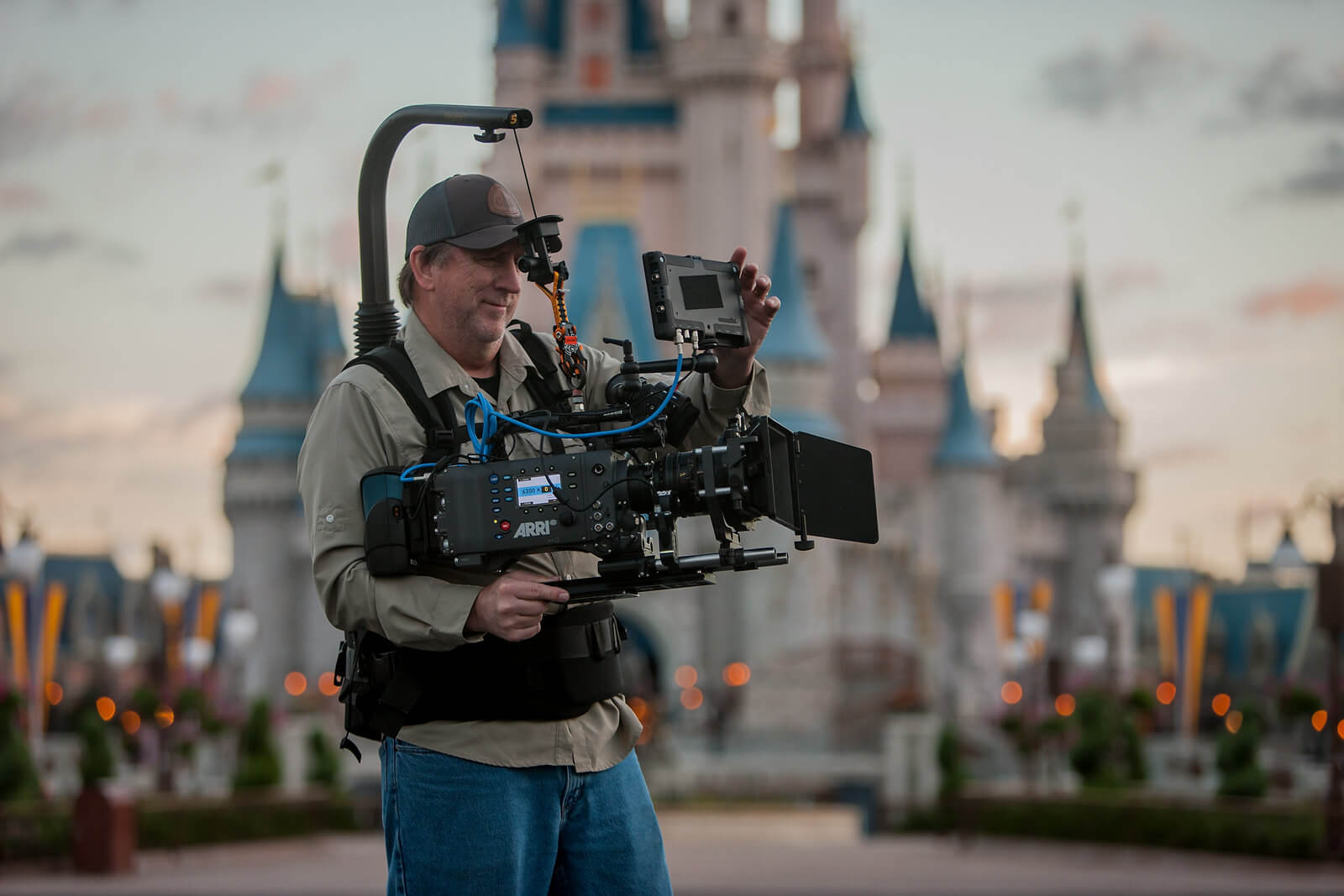
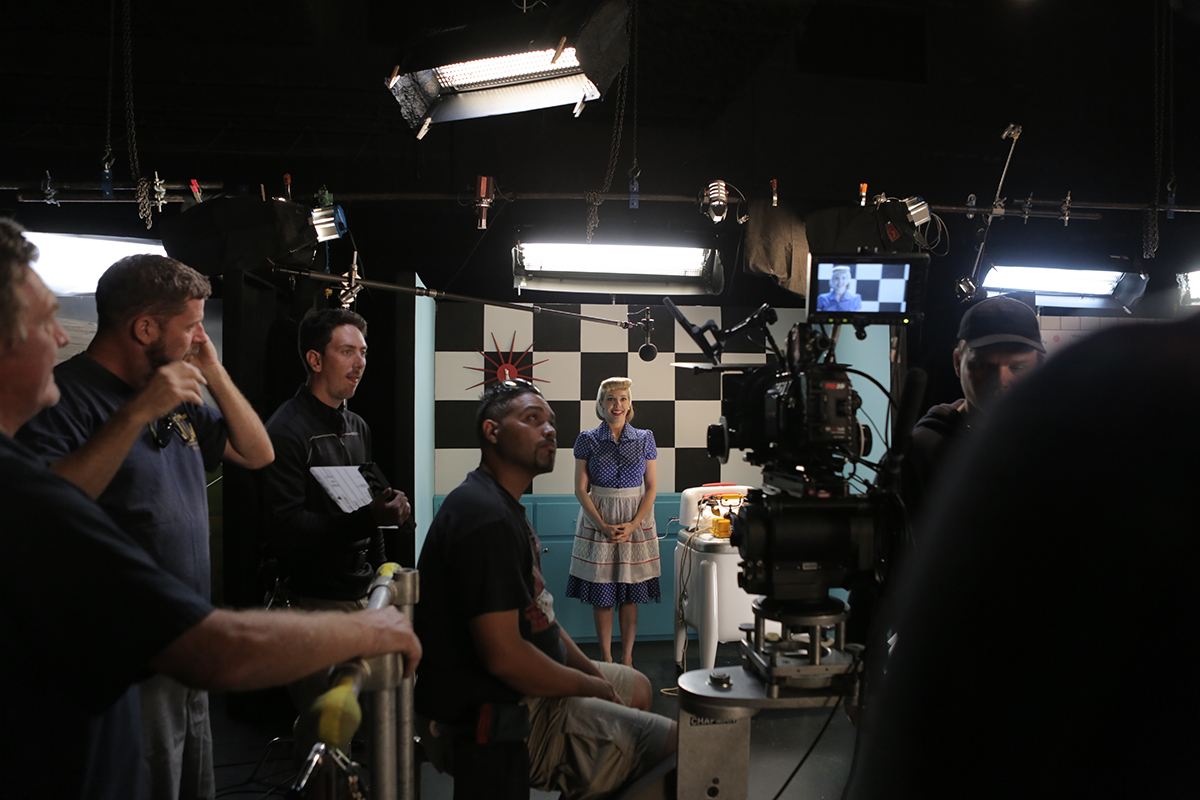
Every production day is carefully coordinated to keep filming on schedule while maintaining creative quality. Directors oversee performances and visual storytelling, producers manage timelines and logistics, camera operators capture each shot, and lighting and audio technicians ensure every scene meets professional standards.
Through comprehensive video production services, experienced crews work together to capture footage efficiently while remaining flexible enough to adapt to changing conditions without compromising the final vision.
Professional Crews and Production Environments
A successful production relies on much more than cameras. Lighting, sound, set design, camera movement, and crew communication all contribute to the finished product.
Depending on the project, filming may take place on location or within a controlled production studio, where variables such as lighting and acoustics can be managed more effectively. Controlled environments are especially valuable for interviews, product demonstrations, executive messaging, and commercial campaigns that require consistent visuals.
Understanding how each department contributes to the production also helps organizations appreciate the complexity of professional filmmaking. Our commercial video production crew guide explores the specialized roles that work together to keep productions running smoothly.
Consistency Creates Better Results
Professional productions are built on consistency. Lighting must remain uniform between takes, audio must remain clear throughout filming, and camera movements must support the overall story rather than distract from it.
Even small inconsistencies can create additional work during editing or reduce the overall quality of the final piece. Maintaining lighting consistency in video production helps preserve visual continuity while reducing the need for corrective work later in the workflow.
By combining technical expertise with creative direction, production teams transform detailed planning into compelling visual content that is ready for refinement during post-production.
Post-Production: Refining the Final Product
Filming may conclude the production stage, but it does not complete the project. Post-production is where raw footage is transformed into a polished story that reflects the original creative vision while engaging viewers across every platform.
Editing the Story
Editors organize footage, select the strongest performances, refine pacing, and assemble scenes into a cohesive narrative. Every cut is designed to strengthen storytelling while maintaining audience attention from beginning to end.
Professional post-production also includes audio cleanup, dialogue balancing, music selection, color correction, and quality control to ensure the finished video looks and sounds exceptional regardless of where it is viewed.
Graphics, Animation, and Visual Polish
Many productions extend beyond editing alone. Motion graphics, branded visual elements, and visual effects help reinforce messaging while adding another level of production value.
Working alongside Skystorm’s design & animation team allows editors and motion designers to integrate graphics seamlessly into the finished piece, creating content that is both visually engaging and strategically aligned with the brand.
Organizations looking to strengthen their finishing workflow can also explore these practical post-production tips for improving efficiency and overall production quality.
Delivery and Distribution: Preparing Content for Every Platform
Building the Deliverable Package
Today’s productions rarely exist in just one format. After the final edit is approved, teams create the specific versions required for broadcast, websites, presentations, paid media, and social platforms. Deliverables may include closed captions, alternate end cards, cutdowns, vertical or square edits, localized versions, and high-resolution master files.
Planning these variations early helps preserve brand consistency and prevents last-minute rework. Each file is prepared to the correct dimensions, duration, codec, and technical specification for its intended destination.
Quality Control and Distribution Readiness
Before release, production teams review every version for image quality, audio levels, caption accuracy, graphics, end cards, and platform requirements. Clear file naming and organized handoff packages help marketing teams publish the right asset in the right place with confidence.
Treating delivery and distribution as a dedicated stage ensures the finished story reaches each audience in a format designed for that channel, while master and archive files remain available for future campaigns.
How the Video Production Stages Work Together
Creative development, pre-production, production, post-production, and delivery/distribution each have distinct responsibilities, but they are most effective when treated as one connected workflow.
A clear creative direction gives pre-production a defined target. Strong pre-production creates more efficient filming days, and well-organized production gives editors the footage they need to build a strong final piece. Post-production then refines the story, while delivery and distribution prepare each approved asset for the audience and platform it needs to reach.
When communication breaks down or one stage is rushed, the effects are felt throughout the project. An unclear concept can create planning gaps, missed footage can limit the edit, and late delivery requirements can lead to avoidable revisions.
Professional video production succeeds because every stage supports the next. Clear communication, structured reviews, and shared creative objectives keep teams aligned from the first concept through final distribution.
Common Challenges Across the Video Production Process
Even the most carefully planned productions can face unexpected challenges. Scheduling conflicts, shifting budgets, technical issues, changing weather conditions, and communication breakdowns all have the potential to affect timelines and production quality. While these obstacles are common, they can often be minimized through detailed planning, experienced leadership, and well-defined production workflows.
Professional video production teams reduce risk by establishing clear schedules, assigning responsibilities early, and preparing contingency plans before filming begins. This structured approach allows crews to adapt quickly when conditions change while keeping the project moving forward. Collaboration between producers, directors, camera operators, editors, and clients also plays an important role in maintaining alignment throughout every stage of production.
Complex productions require even greater coordination. Clearly defined roles, centralized feedback, and documented deliverables help large-scale projects move efficiently from creative development through distribution.
By combining thoughtful creative development with experienced planning, execution, finishing, and delivery, production teams can overcome challenges while maintaining consistency, quality, and efficiency.
Why Professional Video Production Matters
Professional video production is about much more than capturing beautiful footage. It requires experienced teams that understand how strategy, creative development, production logistics, filming, finishing, and distribution work together to produce content that achieves meaningful business goals.
Working with a trusted partner for video production services gives organizations access to proven workflows, specialized equipment, technical expertise, and creative leadership that help every project run more efficiently. From managing schedules and coordinating crews to maintaining quality control during editing, professional production teams keep every stage organized and aligned with the original vision.
So, what are the stages of video production? They are creative development, pre-production, production, post-production, and delivery/distribution. Each stage plays an essential role in creating high-quality content. When the full workflow is approached with clear strategy, careful planning, skilled execution, and close collaboration, organizations can produce videos that strengthen brand perception, build audience trust, and deliver meaningful results across every platform.