Great video production does not begin when the cameras start rolling. It begins long before production day through strategy, planning, and creative alignment. Whether producing a commercial campaign, corporate video, branded documentary, or live event, the work completed before filming often determines the success of the final product.
The importance of pre-production becomes clear when teams are able to move through filming with confidence, efficiency, and creative clarity. Strong planning helps productions stay organized, avoid unnecessary delays, and create content that aligns with both brand goals and audience expectations.
At Skystorm, pre-production is treated as the foundation of every successful project. Through structured planning, creative collaboration, and disciplined workflows, our team is able to move seamlessly from concept to final delivery.
What Is Pre-Production in Video Production?
The pre-production phase is the planning stage that takes place before filming begins. It is where ideas are developed, creative direction is refined, and production logistics are organized into a clear roadmap.
This stage includes everything from concept development and scripting to scheduling, budgeting, crew coordination, and location planning. Every decision made during this phase directly impacts the efficiency of production and the quality of the final deliverable.
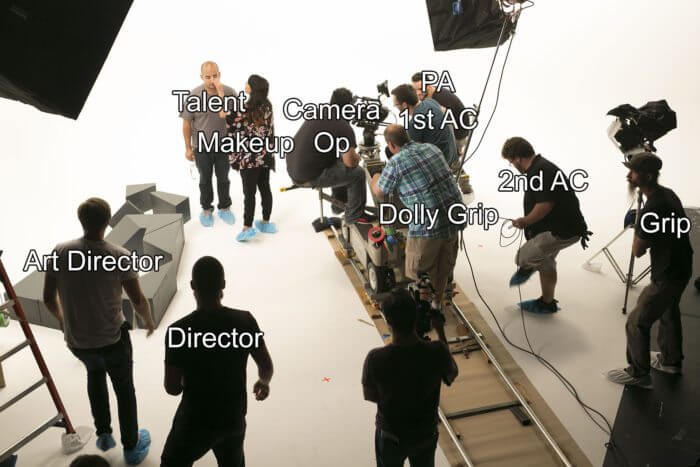
A strong pre-production process creates alignment across creative, technical, and operational teams before anyone steps on set. Instead of reacting to challenges during filming, teams can anticipate obstacles early and prepare solutions in advance. This level of preparation gives productions greater consistency, smoother communication, and stronger creative execution once cameras begin rolling.
Pre-production can also create accountability across departments. Producers, directors, editors, clients, and crew members all operate from the same production roadmap, reducing confusion and helping teams move more efficiently throughout the entire workflow.
This planning structure allows productions to move efficiently while maintaining creative consistency and technical precision. Skystorm’s approach to preproduction services are built around strategic preparation that supports every phase of production.
Why the Importance of Pre-Production Cannot Be Overlooked
Strong creative ideas still require structure to succeed. Without planning, productions can quickly become disorganized, expensive, and difficult to manage.
Pre-production helps align creative vision with execution before filming begins. Stakeholders, producers, directors, editors, and clients all gain a clear understanding of the project’s goals, messaging, timeline, and production requirements.
This preparation reduces uncertainty during filming and helps teams avoid costly mistakes that can impact schedules and budgets later in production or post-production.
When planning is rushed or skipped entirely, productions often face:
- scheduling conflicts
- unclear creative direction
- inefficient shoot days
- communication breakdowns
- and unnecessary revisions in post-production.
A thoughtful strategy creates stability across every stage of production. Teams can focus on execution rather than troubleshooting preventable problems during filming.
Pre-production also creates better collaboration between creative and technical departments. Cinematographers, producers, editors, and designers are able to prepare more effectively when expectations and deliverables are clearly defined before filming begins. This alignment strengthens both efficiency and creative consistency across the project.
In many ways, pre-production acts as the blueprint that keeps creative projects moving forward with clarity and purpose.
Key Elements of an Effective Pre-Production Process
Every successful production relies on preparation. While each project has unique goals, several core elements consistently shape an effective workflow.
Creative Development
Every production begins with an idea. During this stage, teams define messaging, audience goals, tone, and overall creative direction.
Concept ideation helps ensure the content aligns with the brand while also delivering a clear and engaging story. Through thoughtful creative development, productions gain a stronger strategic foundation before filming begins.
Creative discussions during this stage often shape the entire direction of the production. Teams evaluate how messaging, pacing, visuals, and audience expectations will work together to support broader marketing or communication goals.
Scriptwriting and Storyboarding
Once concepts are approved, ideas are translated into structured visuals and scenes.
Scripts establish pacing, dialogue, and messaging while storyboards help visualize camera movement, composition, and transitions. These tools provide production teams with a clear roadmap that guides filming and post-production.
They also improve communication between departments by ensuring everyone understands the creative vision before cameras roll.
Storyboards can also help identify production challenges before they occur. Camera setups, location limitations, transitions, and visual effects requirements are often easier to solve during planning than during filming itself.
Logistics and Scheduling
Production days move quickly, which makes organization essential.
Scheduling includes coordinating locations, talent, crew availability, permits, equipment, and production timelines. Detailed production workflows help teams stay efficient while minimizing downtime during filming.
This stage often includes the creation of a pre-production checklist that tracks approvals, scheduling milestones, technical requirements, and deliverables before production begins.
Detailed scheduling also helps productions maximize time on set. Crews can prioritize scenes, organize equipment efficiently, and minimize unnecessary delays that can impact production timelines and budgets.
Budgeting and Resource Planning
Effective pre-production also helps manage resources responsibly.
Budget discussions determine how crews, equipment, locations, and creative assets will be allocated across the project. Careful planning reduces unnecessary spending while helping maximize quality and efficiency.
When budgets and creative expectations align early, teams are able to make stronger production decisions throughout the process.
Resource planning also helps determine where investments will create the greatest production value, whether through additional filming days, upgraded lighting packages, specialized crew members, or expanded post-production support.
How Pre-Production Impacts Production and Post-Production
A well-planned production day is almost always more efficient than one built around improvisation.
When teams enter a production with clear schedules, shot lists, and creative direction, filming becomes more focused and organized. Crews understand their responsibilities, equipment is prepared properly, and communication flows more smoothly between departments.
This preparation also reduces the likelihood of reshoots or missing footage that can delay editing later.
Pre-production has a direct impact on post-production as well. Editors work more efficiently when footage is organized, properly labeled, and captured according to a clear plan.
Because creative decisions are made early, editing teams spend less time solving avoidable problems and more time refining storytelling, pacing, and visual quality.
A strong planning process also improves continuity between filming and editing. Teams capture the footage they actually need instead of overshooting unnecessary material, which creates a more efficient editing process and stronger narrative structure in the final piece.
At Skystorm, production and post-production are closely connected through structured workflows that keep projects moving efficiently from filming through final delivery.
Common Mistakes When Skipping Pre-Production
Many production challenges can be traced back to poor planning.
When productions move into filming without a clear strategy, teams often encounter confusion on set, inconsistent creative direction, and preventable technical issues.
Common problems include:
- unclear schedules
- missing approvals
- poor communication
- incomplete shot coverage
- and unexpected budget increases
These issues create stress during filming while also increasing the amount of corrective work needed later in editing.
Skipping pre-production may appear to save time initially, but it often creates larger delays throughout the production timeline. Teams spend more time reacting to problems instead of executing efficiently.
Rushed decisions also tend to impact the final quality of the content itself. Without strong preparation, it becomes difficult to maintain consistency across messaging, visuals, pacing, and storytelling.
In some cases, poor planning can even create avoidable reputational risks for brands. Missed messaging, inconsistent visuals, or production delays may impact campaign launches, internal communications, or audience perception.
Pre-production reduces these risks by creating structure before production begins.
Pre-Production for Different Types of Video Projects
Not every production requires the same planning approach. Different types of projects demand different creative and technical priorities.
Commercial Productions
Commercial productions often require extensive creative exploration, visual development, and campaign alignment. These projects may involve multiple stakeholders, location coordination, casting decisions, and detailed brand approvals.
Corporate Productions
Corporate video projects typically place greater emphasis on messaging clarity, professionalism, and communication goals. Internal training videos, recruiting campaigns, executive messaging, and educational content all rely heavily on organization and structured planning.
Live Productions
Live productions require a different level of technical preparation entirely. Multi-camera coordination, venue logistics, signal flow, staging, and audience management all become critical factors during planning. Skystorm’s experience in live event production supports complex productions where timing, coordination, and technical precision are essential.
Virtual and Hybrid Productions
Virtual production and hybrid workflows also require significant preparation. Teams must coordinate digital environments, lighting consistency, rendering requirements, and technical integrations before production begins.
Because every production type introduces unique challenges, thoughtful planning remains essential regardless of project scale or format. Skystorm’s broader video production services are designed to support projects ranging from branded content and commercials to corporate communications and live productions.
Why Professional Pre-Production Sets Brands Apart
Professional productions rely on more than creativity alone. They rely on structure, experience, and disciplined workflows that support execution at every stage.
Experienced production teams understand how to anticipate challenges before they impact filming. They bring proven systems for scheduling, budgeting, communication, logistics, and creative collaboration.
This preparation creates stronger alignment between creative vision and technical execution while helping productions maintain consistency from concept through delivery.
Professional pre-production also improves efficiency across departments. Producers, directors, cinematographers, editors, and clients all work from the same roadmap, reducing confusion and strengthening collaboration throughout the project lifecycle.
For brands, this level of organization becomes a competitive advantage. Better planning leads to stronger storytelling, smoother production experiences, and higher-quality final content.
Pre-production creates greater confidence for clients and stakeholders. When teams have clear timelines, production plans, and creative direction in place, decision-making becomes easier and production risks become more manageable.
At Skystorm, pre-production is treated as a critical part of the creative process because the strongest productions are built long before filming begins.